
Tamil Nadu Chief Minister Vijay Warns TVK MLAs Against Misusing Power
Tamil Nadu Chief Minister and TVK founder C Joseph Vijay cautioned party legislators against controversies, misuse of authority and conduct that could damage the party’s image. He asked MLAs to address public grievances responsibly and avoid being drawn into opposition traps.
Key Developments
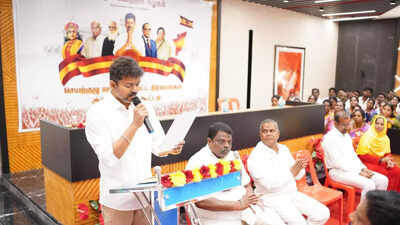
Tamil Nadu Chief Minister and Tamilaga Vettri Kazhagam founder C Joseph Vijay cautioned his party’s legislators against becoming embroiled in controversies or misusing their authority. At a meeting with MLAs near Mamallapuram, he stressed discipline, dignified public conduct and the need to respond responsibly to grievances raised by constituents.
Background and Context
The meeting reportedly lasted around two and a half hours and included discussions about allegations involving two legislators. One TVK MLA had faced accusations relating to inappropriate messages sent to a woman district collector, which he denied. Another legislator was accused of assaulting a resident after a dispute over a civic issue. Vijay was reported to have held separate discussions with the lawmakers about their conduct.
Why the Development Matters
Vijay told legislators that their activities were being monitored and urged them to communicate directly with him about constituency-related problems. He warned that anyone within the party who obstructed communication would face consequences. He also emphasised that the performance of MLAs in their constituencies would influence their prospects of being renominated.
Public and Institutional Implications
The warning reflects the challenge faced by a party that has moved from electoral campaigning into government.
Questions That Remain
Legislators must now manage public services, local complaints and official responsibilities while maintaining the standards expected of people holding public office. Allegations of misconduct can damage public confidence and create political pressure for the leadership.
What Happens Next
Vijay also cautioned MLAs against falling into traps allegedly set by opposition parties or being influenced by outside political forces. Such warnings are common in party meetings when leaders seek to maintain unity and prevent internal controversies from dominating the public narrative. The remarks do not establish that every allegation against a legislator is true; the accused individuals retain the right to respond and due process must be followed.
Overall Significance
The meeting also covered political strategy ahead of by-elections expected in five constituencies. Party leaders discussed coordination and the importance of maintaining a disciplined public image. Vijay reportedly presented festive gifts to legislators ahead of Deepavali, combining organisational discussions with a seasonal interaction.
Strategic Impact & Analysis
The episode shows the importance the TVK leadership is placing on conduct and accountability as it consolidates its position in government. The practical test will be how complaints are handled, whether investigations are fair and whether party members comply with the standards set by the chief minister.
There are also practical lessons for institutions and the public. Clear procedures, accessible complaint channels, timely communication and careful record-keeping can reduce confusion and improve trust. When the subject involves safety, public money, legal rights or personal reputation, these safeguards are especially important. A measured response is more useful than speculation or premature conclusions.
The development should therefore be viewed as part of an ongoing process rather than a complete outcome. The long-term significance will depend on what institutions do next, whether stated commitments are carried out and whether the people affected receive clear answers. Further developments should be reported with the same distinction between verified facts, attributed claims and unresolved questions.
The broader context helps explain why the issue matters beyond the immediate announcement. Decisions by public institutions can affect people who are not directly involved in the original event, and the quality of the response often depends on transparency, reliable records and clear accountability. Where there are competing accounts, readers should be able to identify which details are confirmed and which remain allegations or interpretations.
Rajath Kankar
Journalist · BHARATHINN
