
Congress leader Ugrappa faces ire of Bhovi community protesters in Shivamogga Read more at: https://www.deccanherald.com/india/karnataka/congress-leader-ugrappa-faces-ire-of-bhovi-community-protesters-in-shivamogga
Congress leader V.S. Ugrappa reportedly faced protests from members of the Bhovi community in Shivamogga, Karnataka. The demonstration reflects a dispute involving community concerns and political representation; the specific demands and response from the leader should be established through statements from those involved.
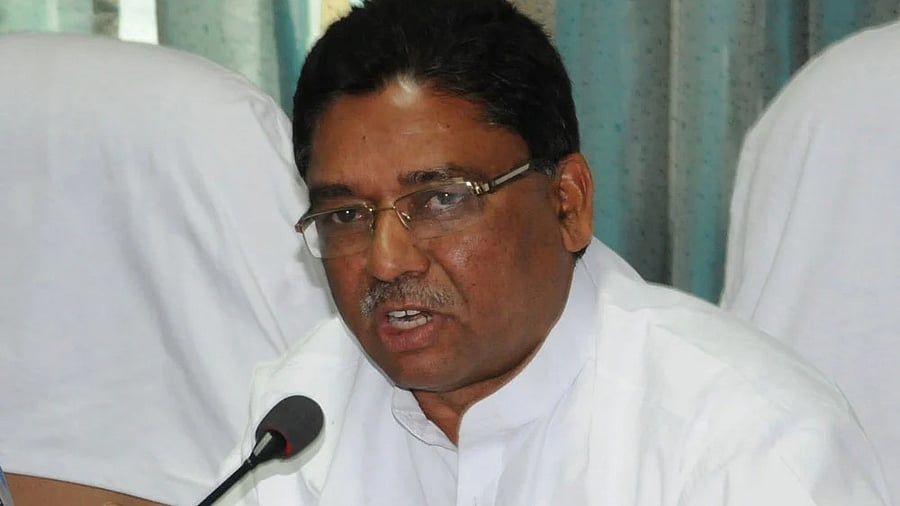
Congress Leader Ugrappa Faces Protest From Bhovi Community Members in Shivamogga
Congress leader V.S. Ugrappa reportedly faced protests from members of the Bhovi community in Shivamogga district of Karnataka. The demonstration brought local community concerns into the political spotlight and highlighted the importance of engagement between political representatives and groups seeking recognition of their demands.
Protest in Shivamogga
Members of the Bhovi community gathered to express their objections and make their concerns known. Protests involving community organisations can emerge when participants believe that their demands have not been adequately addressed or that political representatives have not responded to issues affecting them.
The precise circumstances of the demonstration, including the immediate trigger and the demands raised by protesters, should be understood through statements from the participants and the response of the people involved. The fact that a protest occurred does not by itself establish the validity of every allegation made during it.
Community Concerns and Political Representation
Community organisations often approach political leaders over matters involving representation, public welfare, social recognition and government support. Demonstrations can be used to draw attention to unresolved issues and seek a direct response from elected representatives or party leaders.
For political parties, such protests can underline the importance of maintaining communication with communities across their constituencies. A public disagreement may indicate a gap between the expectations of some community members and the actions or statements attributed to their representatives.
Importance of Dialogue
Dialogue between community representatives and political leaders can help clarify demands and identify practical steps for addressing them. Meetings, written representations and discussions with relevant government departments may provide a path towards resolving disagreements.
Where a protest involves strong emotions, it is important that all sides communicate their positions clearly and that any dispute is handled peacefully. Authorities also have a responsibility to maintain public order while allowing people to express concerns through lawful means.
Role of Political Parties
Political leaders are often expected to explain their positions and respond to the concerns raised by groups within their constituencies. Parties may need to assess whether the dispute relates to a particular statement, a policy question or a wider concern about representation.
Community demands can also involve government decisions that fall outside the direct control of an individual party leader. Establishing the specific issue at the centre of the protest is therefore important before drawing conclusions about responsibility or the steps required for a solution.
What Happens Next
Further details from Ugrappa, community representatives and local authorities would help clarify the outcome of the protest and whether any meeting or response has been planned. Any claims about the incident should be attributed to the people making them until they are independently established.
The demonstration underscores the importance of communication between public representatives and the communities they engage with. Whether the disagreement is resolved will depend on the concerns raised, the response provided and the willingness of those involved to continue discussions.
Rajath Kankar
Journalist · BHARATHINN